
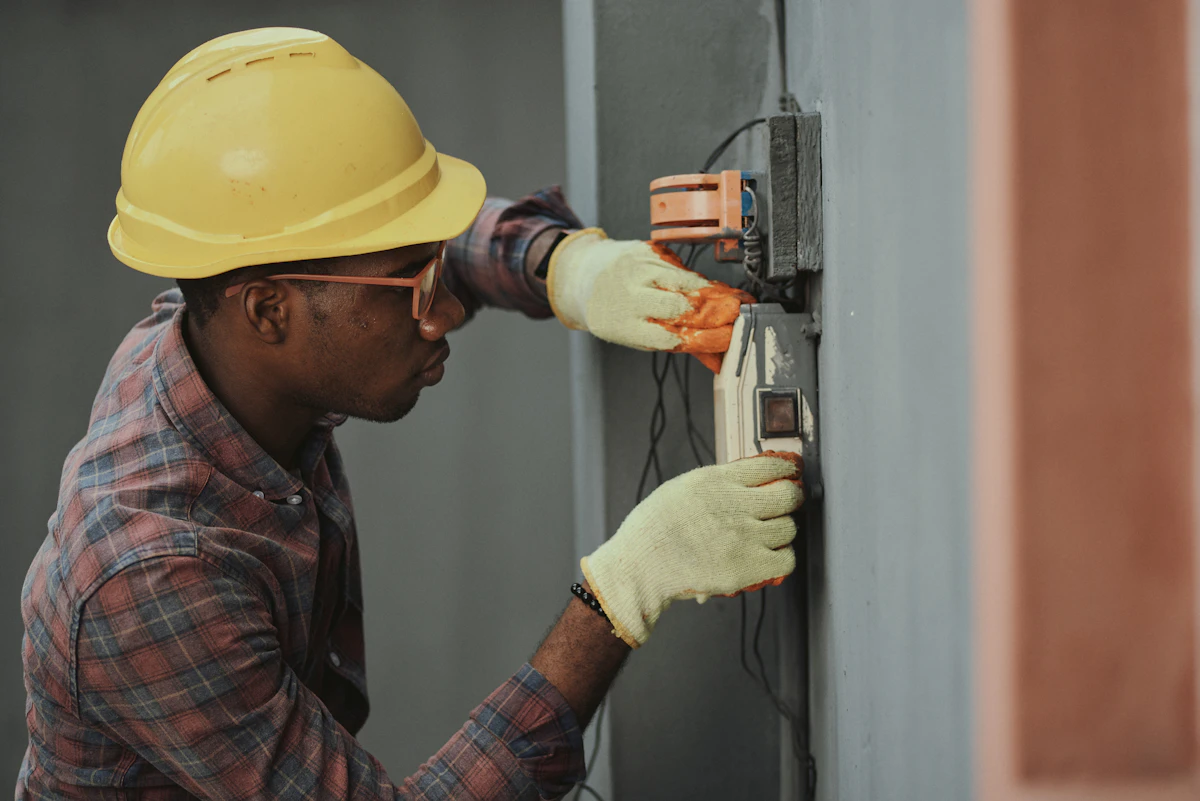
Overview
What is a Electrician?
A Electrician is a professional working primarily in the Trades sector. Install, maintain and repair electrical systems in homes, businesses and industrial sites.
This is widely considered a intermediate-level career path, and most motivated learners reach job-readiness in roughly 4-5 years. Hiring demand is currently high, with roles projected to grow about 9% in the years ahead.
Remote and hybrid flexibility for this role is rated Low, which widens the range of employers you can realistically work for.
What a Electrician actually does
No two electrician jobs are identical, but the core of the work stays consistent: apply specialized skills, turn ambiguity into clear decisions, and deliver outcomes the business can measure.
- Own core deliverables that align with team goals and business priorities
- Partner with stakeholders to define requirements and success metrics
- Document decisions, share insights, and support less-experienced teammates
- Stay current with the tools, standards, and best practices of Trades
Skills and tools you need
Employers look for a practical blend of the skills below plus strong communication. Build real depth in two or three before spreading wider.
- Electrical Wiring — frequently listed in electrician job postings
- NEC Code — frequently listed in electrician job postings
- Blueprint Reading — frequently listed in electrician job postings
- Safety Practices — frequently listed in electrician job postings
- Troubleshooting — frequently listed in electrician job postings
Certifications that strengthen your profile
You do not strictly need certifications to work as a electrician, but the right ones signal commitment and structure your learning. Recruiters in Trades frequently recognize these:
- Journeyman License
- OSHA 10/30
Salary and career outlook
Demand for electricians in Trades remains high, with hiring projected to grow roughly 9% over the coming years. Compensation scales with experience, specialization, and location.
Because remote flexibility is Low, you can often access higher-paying markets without relocating.
Advancement usually means deepening expertise, leading projects, and choosing between a senior individual-contributor track or people management.
How to get started
Start with the first step in the roadmap below — Start an apprenticeship — then build portfolio evidence of your skills and connect with working electricians. A focused credential like Journeyman License can add credibility, but a real project that proves you can do the work matters most.
What a Electrician actually does
Electricians install and maintain wiring systems in construction and service calls, bringing power safely from panels to outlets, equipment, and lighting throughout buildings.
- Rough-in branch circuits, boxes, and conduit runs per approved electrical drawings on new builds.
- Terminate panels, label circuits, and torque lugs to manufacturer specifications during trim-out.
- Troubleshoot tripped breakers, open neutrals, and nuisance GFCI trips reported by occupants.
- Upgrade service entrances and load calculations when remodels add EV chargers or heat pumps.
- Arrange inspections with the AHJ and correct code violations before cover plates are installed.
Skills and tools you need
- Electrical Wiring
- NEC Code
- Blueprint Reading
- Safety Practices
- Troubleshooting
Learning Roadmap
-
1
Start an apprenticeship
Union or non-union programs
-
2
Learn the National Electrical Code
Safety and compliance fundamentals
-
3
Accumulate on-the-job hours
Typically 4,000–8,000 hours
-
4
Pass the journeyman exam
License to work independently
Certifications
- Journeyman License
- OSHA 10/30
Career Outlook
- Time to learn: 4-5 years
- Job growth: 9%
- Remote friendly: Low
FAQ
How long is an electrician apprenticeship?
Most apprenticeships take four to five years of combined classroom instruction and paid on-the-job training.
Is being an electrician a good career?
Yes. It pays well, cannot be outsourced, and demand stays strong with construction and renewable-energy growth.
Do electricians need a license?
Yes in most states. A journeyman license is required to work independently on most electrical systems.