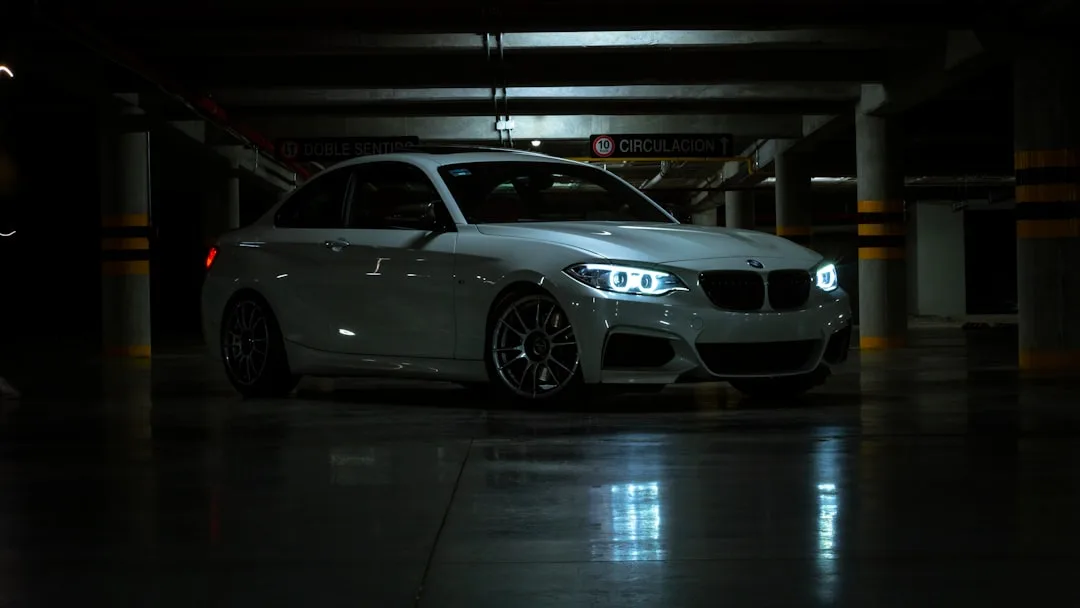
Engineering Evolution in the 2026 M2
The 2026 BMW M2 arrives with a significant mechanical shift, marking the first time the compact sports coupe is available with an optional M xDrive all-wheel-drive system. While the vehicle maintains its signature rear-wheel-drive characteristics, the new configuration allows for power distribution to the front wheels when traction conditions demand it. This adjustment results in a notable improvement in acceleration, with the M xDrive variant capable of reaching 100 km/h from a standstill in 3.7 seconds, shaving 0.3 seconds off the time recorded by the standard rear-wheel-drive model.
Central to the performance updates is the introduction of M Ignite combustion technology. This system utilizes a small pre-combustion chamber positioned above each cylinder to facilitate more efficient fuel ignition. By optimizing the combustion process, the engine is designed to maintain high power output while simultaneously improving fuel efficiency, a benefit that becomes particularly relevant during sustained high-performance driving sessions.
Why it matters
The integration of all-wheel drive into the M2 lineup represents a strategic move to broaden the appeal of the performance coupe, offering increased confidence in varied weather conditions without sacrificing the vehicle's core dynamic identity. By providing a dedicated 2WD mode and the ability to deactivate stability control, BMW ensures that enthusiasts retain the ability to customize the driving experience to their specific preferences. This balance between modern technical assistance and traditional driver engagement reflects a broader industry trend where manufacturers are increasingly using sophisticated software to allow a single vehicle to serve both as a daily driver and a track-ready machine.
Technical Specifications and Design
Under the hood, the 3.0-liter twin-turbocharged inline-six engine remains the heart of the vehicle, delivering 480 hp and 600 Nm of torque. The power is managed through an 8-speed automatic transmission. While the top speed is electronically limited to 250 km/h, owners opting for the M Driver's Package can see that limit extended to 285 km/h. The exterior retains its aggressive aesthetic, characterized by wide wheel arches and a muscular stance, now complemented by a new Borusan Turkish Blue color option and a staggered wheel setup featuring 19-inch front and 20-inch rear wheels.
Inside the cabin, the focus remains on the driver, featuring a fully digital instrument cluster equipped with M-specific graphics. The interior environment is defined by a large infotainment touchscreen, a flat-bottom M steering wheel, and M tricolour accents. For those seeking a more competition-oriented feel, optional carbon-fibre bucket seats are available to further enhance the cockpit's sporty atmosphere.
What happens next
As the 2026 model enters the market, prospective buyers and enthusiasts will be looking toward regional dealership arrivals to experience the new M xDrive system firsthand. The introduction of this model follows a period of intense competition in the performance segment, where manufacturers are balancing the demand for high-horsepower internal combustion engines with the necessity of meeting modern efficiency standards. Interested customers should monitor official BMW communications for specific regional pricing and the exact timeline for order books opening in their respective markets.
The shift toward more adaptable performance platforms mirrors the evolution seen in other high-end sports cars, where the line between specialized track vehicles and versatile road cars continues to blur. As the automotive sector navigates these technical updates, the 2026 M2 serves as a case study in how legacy performance brands are refining traditional combustion engines to remain competitive in a rapidly changing landscape.
As reported by India TV News.