Solar Activity and the Aurora Forecast
Residents across Canada may witness the northern lights this week as a significant geomagnetic event approaches the planet. The U.S. National Oceanic and Atmospheric Administration (NOAA) Space Weather Prediction Center has officially issued a G3, or "strong," geomagnetic storm watch for June 4 and 5. This alert follows a series of intense solar eruptions that propelled multiple clouds of charged particles toward Earth. The solar eruptions, which originated from sunspots on the sun's surface, have been closely monitored by scientists worldwide.
Three distinct coronal mass ejections (CMEs)—massive bursts of plasma and magnetic fields released by the sun—are currently traveling through space. Scientists anticipate these clouds will interact with Earth’s magnetic field, potentially creating the ideal conditions for aurora borealis visibility across various regions of Canada. This surge in activity comes after a period of heightened solar behavior, which included two M-class flares and one X-class flare, the latter being among the most powerful categories of solar eruptions. The X-class flare, in particular, is notable for its intensity, which can have significant effects on Earth's magnetosphere.
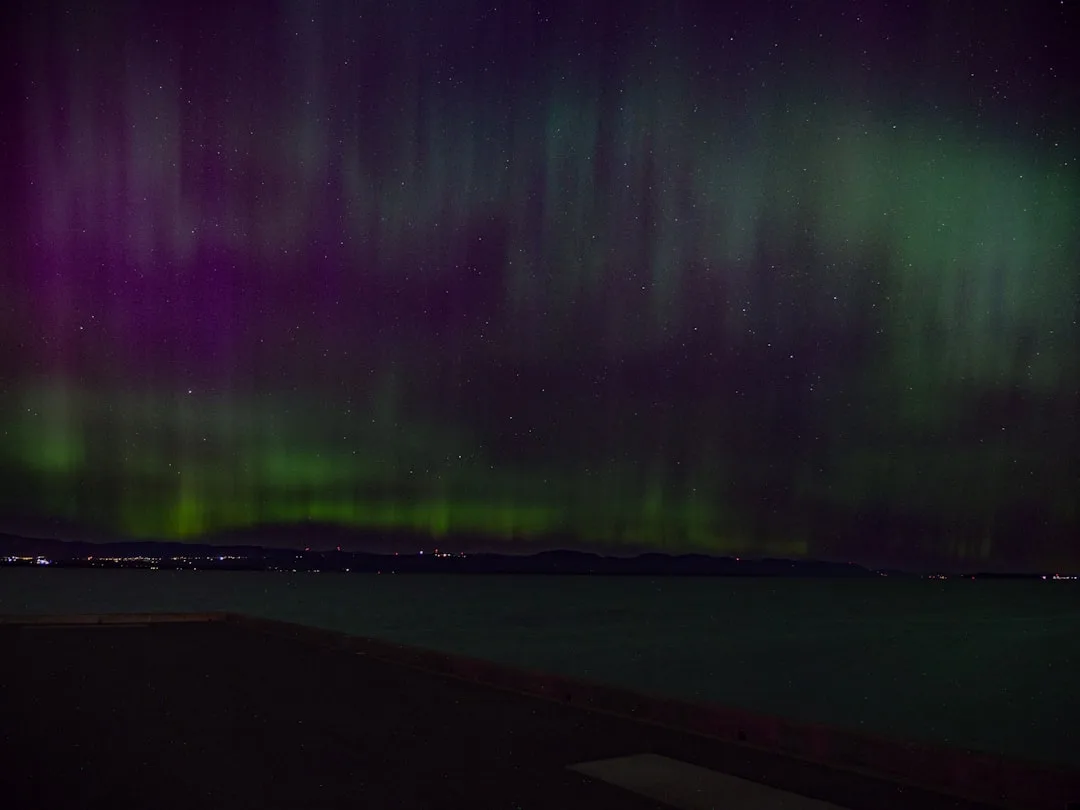
The aurora borealis, commonly known as the northern lights, is a natural light display caused by the interaction of solar wind with Earth's magnetic field. This phenomenon is typically confined to high-latitude regions, but during periods of intense solar activity, the aurora can be seen at lower latitudes. The upcoming geomagnetic storm presents a unique opportunity for Canadians to witness this breathtaking natural phenomenon.
Why it matters
A G3 classification on NOAA’s five-level scale represents a significant level of solar activity. While these events are primarily celebrated for the visual spectacle of the aurora, they carry technical implications for modern infrastructure. Strong geomagnetic storms can occasionally interfere with satellite operations and power grid stability. By pushing the aurora farther south than its typical range, these storms provide a rare opportunity for observers in central and northern Canada to witness the phenomenon under favorable conditions. The potential disruptions to satellite operations and power grids highlight the importance of understanding and preparing for space weather events.
Moreover, the study of geomagnetic storms and their effects on Earth's atmosphere is crucial for advancing our knowledge of space weather. This field of research has practical applications, such as improving the accuracy of geomagnetic storm predictions and developing strategies to mitigate their potential impacts on technology and infrastructure. The upcoming event offers scientists a valuable opportunity to gather data and refine their models.
Public Impact and Viewing Guidance
For those hoping to catch a glimpse of the lights, environmental factors play a crucial role. The best viewing experiences occur in areas with minimal light pollution, far from the glow of urban centers. Clear skies are essential, as cloud cover can easily obscure the display. Because the intensity of a geomagnetic storm is subject to change as solar material nears the planet, weather patterns and the precise timing of the CME arrivals will dictate the final visibility. Some of the best locations for viewing the northern lights in Canada include remote areas in the Yukon, Northwest Territories, and northern parts of provincial parks.
The public impact of this geomagnetic storm extends beyond the opportunity to witness the northern lights. For instance, individuals and organizations that rely on satellite communications or GPS technology may experience temporary disruptions. Additionally, power grid operators must be vigilant and prepared to address any potential issues that may arise due to the storm. By staying informed and taking necessary precautions, the public can safely enjoy and appreciate the natural wonder of the aurora borealis.
What happens next
Predicting the exact arrival time and strength of these solar storms remains a complex challenge for meteorologists. As the solar material continues its journey toward Earth, NOAA will refine its forecasts and adjust expectations accordingly. Interested observers should monitor the agency’s official Aurora Dashboard for real-time updates and visibility maps. The window for potential viewing remains open through June 5, provided the magnetic interaction with the atmosphere remains stable. Scientists will also be closely monitoring the event to gather data and improve their understanding of geomagnetic storms.
In the aftermath of the geomagnetic storm, researchers will analyze the data collected to refine their models and predictions for future events. This process is essential for advancing our understanding of space weather and its effects on Earth. Additionally, the insights gained from this event can inform the development of strategies to mitigate the potential impacts of geomagnetic storms on technology and infrastructure. As our reliance on technology continues to grow, so too does the importance of understanding and preparing for space weather events.
Historical Context of Solar Cycles
The current activity aligns with a broader pattern of increasing solar cycle intensity. Much like previous periods of high solar activity, the combination of multiple CMEs traveling through space can amplify the resulting geomagnetic effects. This phenomenon is similar to past instances where solar material merged during transit, leading to more pronounced atmospheric displays. As the sun continues its current cycle, such events serve as a reminder of the dynamic relationship between solar weather and Earth's upper atmosphere. One notable example of a powerful geomagnetic storm is the Carrington Event of 1859, which caused widespread disruptions to telegraph systems and produced auroras visible as far south as the Caribbean.
The sun operates on an approximately 11-year cycle, during which its activity levels rise and fall. The current solar cycle, known as Solar Cycle 25, began in December 2019 and is expected to reach its peak in July 2025. As the sun approaches the peak of its cycle, the frequency and intensity of solar events, such as flares and CMEs, are likely to increase. This pattern underscores the importance of continued research and monitoring of solar activity to better understand and prepare for its effects on Earth.
As reported by CP24.