Fuel shortages expose cracks in Maharashtra’s governance amid political blame game
The reported fuel shortages in Maharashtra have escalated into a political firestorm, with opposition parties Congress and the Nationalist Congress Party (NCP-SP) accusing the state’s BJP-led government of administrative collapse. Opposition leaders Vijay Wadettiwar and Jayant Patil cited incidents including a Nagpur police vehicle lacking diesel to search for a missing girl and a petrol pump worker stabbed in Jalgaon over fuel scarcity. These claims come as the central government asserts there is no nationwide shortage of petrol, diesel, or LPG, despite ongoing tensions in West Asia.
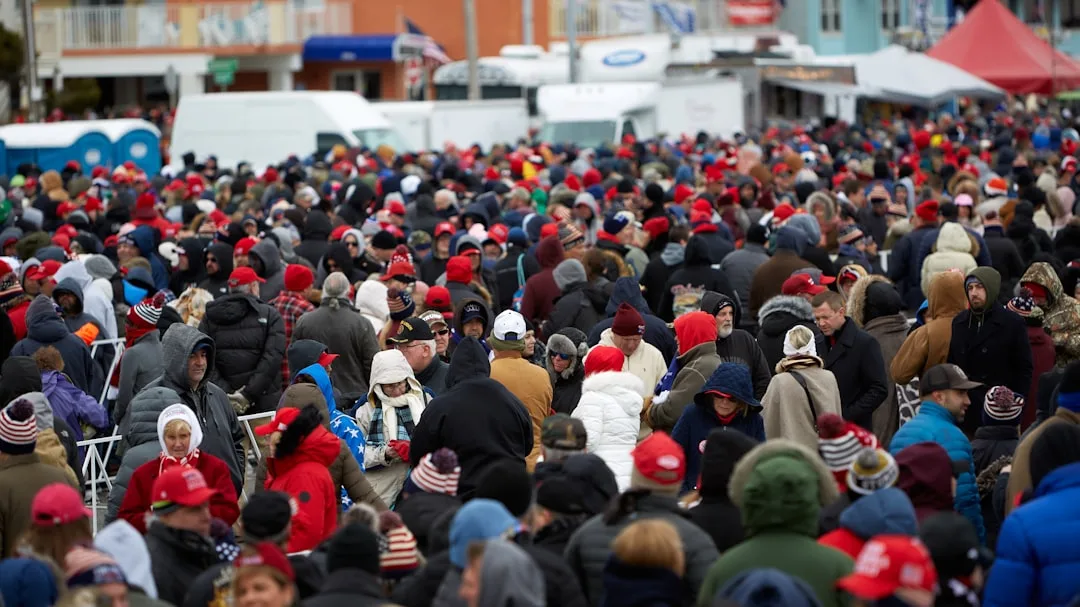
Wadettiwar, leader of the Congress Legislature Party, framed the crisis as evidence of the BJP’s hollowed-out claims of a "Viksit Bharat" (Developed India). He argued that the so-called "double-engine government"—where the same party holds power at both the Centre and state level—has failed to deliver even basic governance. The opposition’s rhetoric intensified after reports of 12-hour queues in Buldhana district and violent altercations at fuel stations in Washim Naka and Akola, painting a picture of systemic breakdown.
Why it matters: Beyond the pump, a test of public trust and governance
The fuel shortages in Maharashtra are not merely an inconvenience; they strike at the heart of public confidence in the state’s ability to function. For a government that has repeatedly touted its efficiency and developmental agenda, the inability to ensure fuel availability—even for essential services like police vehicles—undermines its credibility. The opposition’s framing of the crisis as a failure of the "triple-engine government" (BJP’s rule at the Centre, state, and local bodies) suggests a broader narrative of mismanagement, particularly as India grapples with economic and geopolitical challenges.
For residents, the shortages translate into real hardship, from stranded motorists to compromised public safety. The attacks on petrol pump workers and the desperation of 12-hour waits for fuel highlight how quickly localized shortages can spiral into broader unrest. The central government’s insistence that there is no nationwide shortage may not fully address the localized disruptions affecting Maharashtra, where the political stakes are high ahead of upcoming elections.
The West Asia crisis adds a complicating layer
While the central government has maintained that fuel supplies remain stable, the ongoing crisis in West Asia introduces volatility into global oil markets. India, as a major importer, is particularly sensitive to disruptions in the region. Prime Minister Narendra Modi has reiterated India’s stance on resolving conflicts through diplomacy, but the fuel shortages in Maharashtra suggest that even minor disruptions can have outsized impacts on the ground. The opposition’s criticism ties the shortages directly to the government’s handling of both domestic and international pressures, framing the crisis as a symptom of deeper governance failures.
The timing of the shortages is also politically sensitive. With elections looming, the opposition is seizing on the issue to challenge the BJP’s narrative of progress. Wadettiwar’s accusation that the government has become a "marketplace of advertisements"—prioritizing publicity over public welfare—reflects a broader frustration with what critics see as a disconnect between the government’s rhetoric and reality. The fuel crisis, in this context, becomes a litmus test for the BJP’s ability to deliver on its promises.
Who is affected, and why it’s a statewide concern
The fuel shortages in Maharashtra are not confined to a single district or city; they span multiple regions, affecting a cross-section of the population. Commuters, small business owners reliant on diesel for generators, and emergency services like police and ambulances are all impacted. The attack on a petrol pump worker in Jalgaon underscores the human toll, while the 12-hour waits in Buldhana reveal the sheer desperation of citizens trying to access basic necessities. For the opposition, these incidents are not isolated but part of a pattern of neglect that they argue has defined the BJP’s tenure in the state.
Businesses, too, are feeling the pinch. Fuel is the lifeblood of logistics, agriculture, and local trade. Prolonged shortages could disrupt supply chains, drive up costs, and erode consumer confidence. The opposition’s focus on taxpayer-funded advertising hoardings amid the crisis further amplifies public anger, framing the government’s priorities as misplaced. For families already struggling with economic pressures, the fuel shortages add another layer of uncertainty to daily life.
What happens next: Investigations, political fallout, and potential policy shifts
The immediate next steps will likely involve investigations into the reported incidents, including the Nagpur police vehicle’s lack of diesel and the attack in Jalgaon. The state government may also face pressure to address the shortages through emergency measures, such as increased fuel allocations or temporary price controls. However, the political fallout is already underway, with the opposition using the crisis to challenge the BJP’s governance narrative ahead of elections.
Longer term, the fuel shortages could prompt a review of the state’s fuel distribution infrastructure, particularly in rural and semi-urban areas where shortages are most acute. The central government’s response will be closely watched, especially as it navigates the broader geopolitical tensions in West Asia. For Maharashtra’s residents, the hope is that the crisis serves as a wake-up call for better governance, rather than another episode of political posturing. The coming weeks will reveal whether the government can restore confidence—or if the opposition’s criticisms will gain further traction.
A broader trend: When governance failures fuel public anger
Maharashtra’s fuel shortages are not an isolated incident but part of a growing pattern where localized disruptions escalate into broader crises. Similar episodes in other states have often stemmed from logistical bottlenecks, mismanagement, or political interference in fuel distribution. The opposition’s framing of the issue as a failure of the "double-engine" model mirrors past criticisms of centralized governance, where promises of efficiency collide with ground realities. As India’s economy grows more complex, the ability of state governments to manage essential services like fuel will become an increasingly critical test of their competence—and their legitimacy.
As reported by Devdiscourse.