Market Performance and Global Triggers
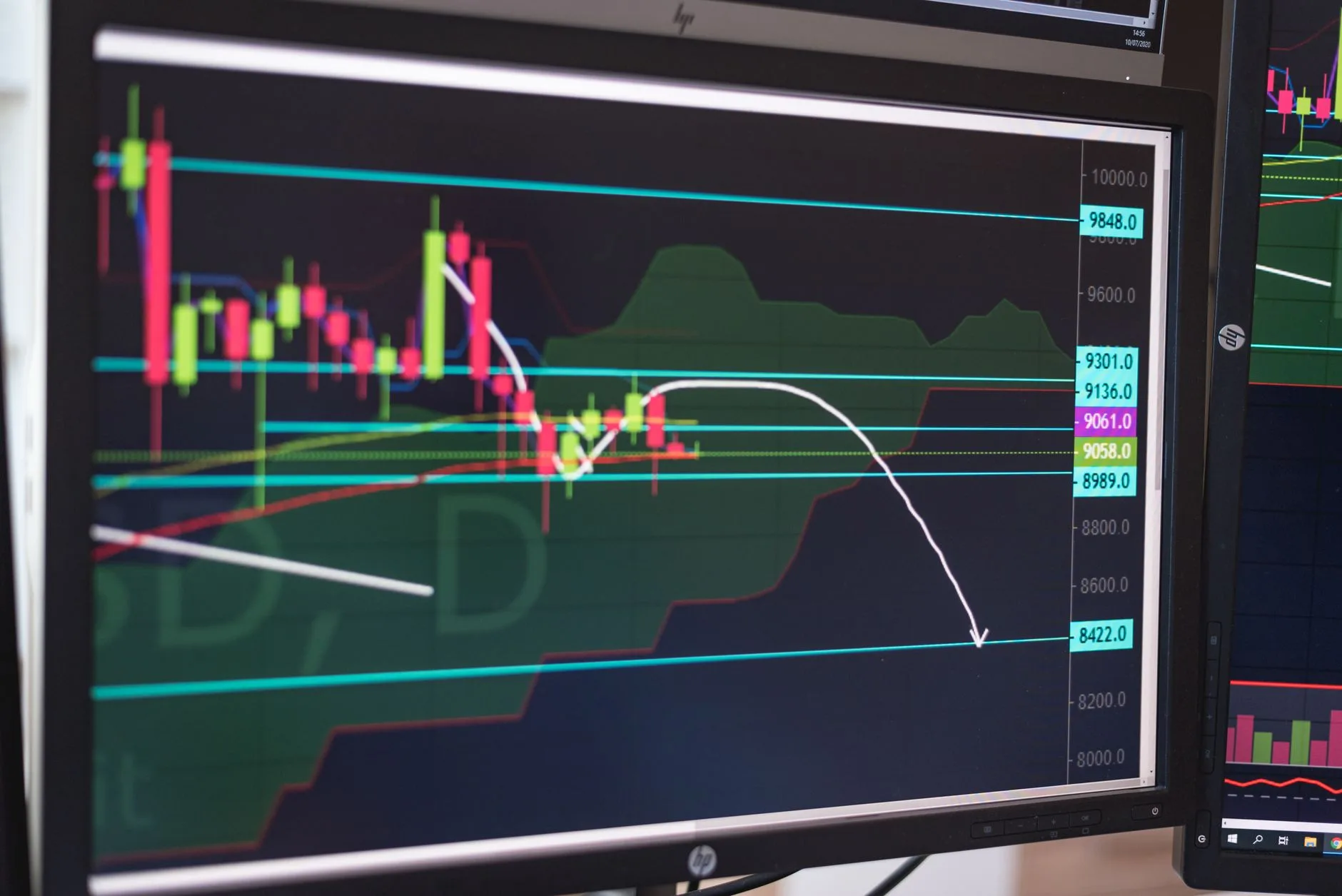
The Korea Composite Stock Price Index (KOSPI) experienced a sharp decline during Thursday morning trading, opening 2.02 percent lower. By 9:15 a.m., the index had retreated 180.03 points, or 2.05 percent, settling at 8,621.46. This downturn follows a period of record-breaking performance, as the market had reached an all-time high of 8,801.49 on Tuesday before closing for a Wednesday election holiday.
International market volatility served as the primary catalyst for the sell-off. Investors reacted to overnight losses on Wall Street, where the Dow Jones Industrial Average dropped 1.21 percent, the S&P 500 fell 0.74 percent, and the Nasdaq Composite Index declined 0.89 percent. These U.S. market movements were driven by growing anxiety regarding the status of peace negotiations between the United States and Iran, with traders fearing that an escalation in hostilities could derail diplomatic efforts.
Impact on Major Domestic Equities
Large-cap stocks across the Seoul exchange faced significant downward pressure as the trading session began. Samsung Electronics, a bellwether for the local market, saw its share price decrease by 2.08 percent. Similarly, competitor SK hynix recorded a decline of 2.54 percent. The automotive sector also struggled, with Hyundai Motor shares falling by 4.25 percent.
Financial and component sectors were not immune to the broader market sentiment. Samsung Electro-Mechanics reported a 2.81 percent drop, while Samsung Life Insurance experienced a sharper decline of 12.91 percent. These movements reflect a widespread retreat by investors who are currently prioritizing liquidity over risk-heavy assets in response to the uncertain geopolitical climate.
Why it matters
The sensitivity of the KOSPI to U.S.-Iran relations illustrates the interconnected nature of modern global finance. When diplomatic tensions rise, the resulting uncertainty often triggers capital flight from export-oriented economies like South Korea. Because the nation relies heavily on global trade and stable supply chains, any disruption in the Middle East—a region critical to global energy stability—can have immediate consequences for the valuation of major Korean industrial firms.
Furthermore, the depreciation of the Korean won, which was trading at 1,523.25 against the U.S. dollar, adds another layer of complexity. A weakening currency can increase import costs for businesses and fuel inflationary pressures, complicating the economic environment for both domestic consumers and multinational corporations operating within the country.
What happens next
Government officials have signaled a readiness to intervene to stabilize the financial system. Finance Minister Koo Yun-cheol held an emergency meeting with Bank of Korea Governor Shin Hyun-song, Financial Services Commission Chairman Lee Eog-weon, and Financial Supervisory Service Governor Lee Chan-jin to address the situation. The Ministry of Finance and Economy confirmed that the government is actively monitoring foreign exchange volatility.
Minister Koo has pledged to implement "immediate measures" should the currency market exhibit excessive volatility. Investors will be watching for any specific policy announcements or market interventions from the Bank of Korea in the coming days. The effectiveness of these potential steps will likely depend on whether the underlying geopolitical tensions regarding the Middle East show signs of de-escalation or further intensification.
Source: Lokmat Times.