Draft Logistics and Trade Projections
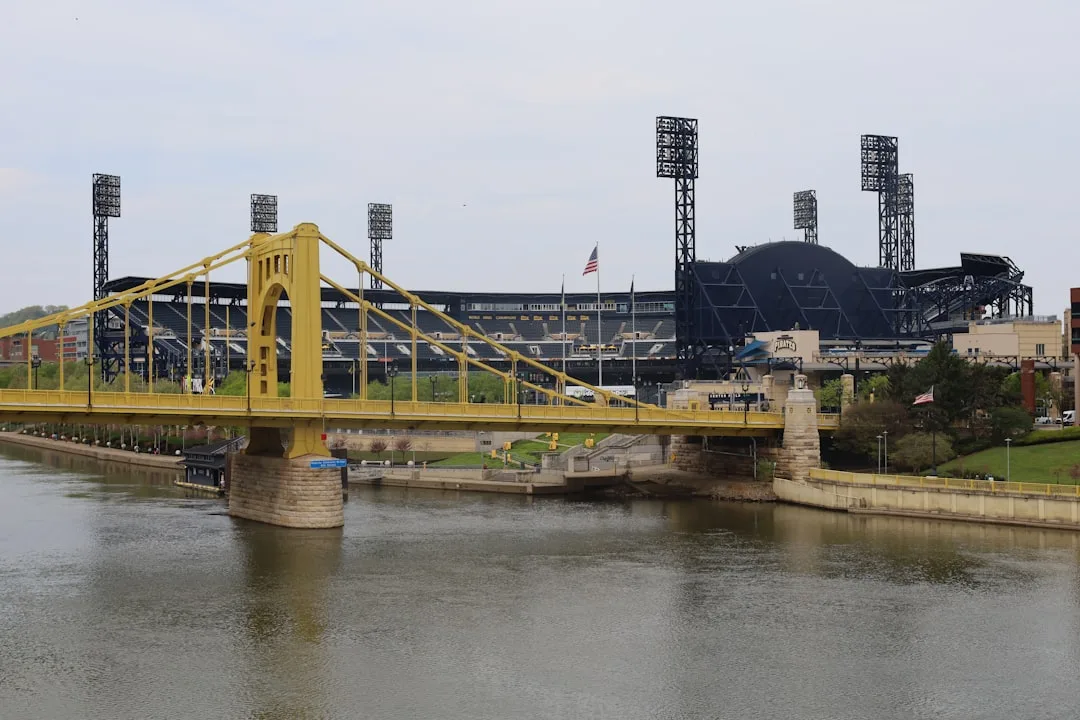
The 2026 NFL Draft, set to take place from April 23 to April 25 in Pittsburgh, Pennsylvania, marks the city's third time hosting the event since 1961. Pittsburgh last hosted the draft in 2001, a year that saw the Atlanta Falcons trade up to select quarterback Michael Vick first overall. Broadcasters including NFL Network, ABC, and ESPN will begin live coverage of the first round at 8 p.m. ET on April 23. Analysts project a total of four first-round trades during the three-day event, which will encompass 257 total selections across seven rounds.
Strategic Moves and Team Needs
The New York Jets are projected to select an LB/Edge defender from Ohio State with the No. 2 overall pick, a move analysts compare to the Jacksonville Jaguars' 2022 selection of Travon Walker, who was chosen first overall instead of Aidan Hutchinson and later signed a $110 million extension. The Jets, who have not selected a defensive player in the top five since 2000, are looking to bolster a unit that ranked 12th in the league in total defense last season.
The draft also highlights the importance of addressing positional needs. For example, the Green Bay Packers are projected to select Love at pick No. 4, who could be eased into a rushing/receiving role as a rookie behind Tony Pollard. Pollard is entering a contract year, is about to turn 29, and has carried the ball over 750 times over the last three seasons, a workload that ranks in the top five among active running backs. This move mirrors the Packers' 2005 selection of Aaron Rodgers, who sat behind Brett Favre for three seasons before taking over as the starter.
Historical Context and Player Profiles
The draft board reflects a mix of high-ceiling prospects and versatile players. For instance, the Giants are projected to select Mauigoa at pick No. 5, drawing comparisons to Washington's 2015 selection of Brandon Scherff. Mauigoa, like Scherff, possesses the strength and tenacity to excel as a run blocker and pass protector, potentially starting at right guard as a rookie. The Giants, who have not had an offensive lineman selected to the Pro Bowl since Chris Snee in 2012, are in need of stability along the offensive line.
Durability and versatility are also key themes. Freeling, who played through an ankle injury last season, is projected to be selected in the top 10 due to his athleticism, length, and experience starting at both tackle spots. Such traits make him an attractive prospect for teams like the Cleveland Browns, who have cycled through 15 different starting offensive tackles since 2018 in search of consistent play along the line.
As reported by NFL News.