Australia's Wedgetail Surveillance Aircraft Set for Replacement
The Royal Australian Air Force's E-7 Wedgetail surveillance aircraft, widely regarded as one of Defence's most capable assets, is flagged for replacement in the next decade under the latest National Defence Strategy. Introduced in 2009, the Wedgetail was the first of its kind globally, setting a benchmark for airborne early warning and control systems. Planning for the next-generation aircraft is underway, with funding allocated in Defence's new 10-year Integrated Investment Program, reflecting Australia's long-standing commitment to maintaining a technological edge in the Indo-Pacific region.
Operational Capabilities and Service History
The Australian-designed Wedgetail is considered the world's most capable surveillance aircraft, a reputation earned through its unmatched radar coverage and operational flexibility. Its enormously powerful radar is capable of monitoring areas larger than Western Australia and the Northern Territory combined across a standard mission, a capability critical for Australia's vast maritime approaches. The aircraft, a modified Boeing 737, holds two pilots and 10 crew members who monitor incoming data from individual consoles.
The E-7 Wedgetail has been in service for just over a decade, reaching final operational capability in 2015. Some of its first missions included assisting with the search for Malaysia Airlines flight MH370, lost over the Indian Ocean—a task that underscored the aircraft's ability to cover remote and challenging environments. Currently, a Wedgetail is deployed to the United Arab Emirates to help defend against missile and drone attacks, in response to requests from both the UAE and the United States, highlighting its role in coalition operations amid rising regional tensions.
Global Interest and Future Planning
The United Kingdom is acquiring its own fleet of E-7 Wedgetail aircraft, while the U.S. has funded work toward replacing its older E-3 Sentry aircraft—first introduced in 1977—with Wedgetails, signaling a generational shift in airborne surveillance technology. Despite its success, the National Defence Strategy indicates that work will begin to replace the Wedgetail with a next-generation aircraft, though Defence Industry Minister Pat Conroy emphasized that the replacement is still some years away.
"The E-7 Wedgetail has still got a decade of service, but the Integrated Investment Plan did allocate funding for the replacement of that into the future," Mr. Conroy said. "The Wedgetail is doing excellent service, including in the Middle East right now."
Potential Replacement Options
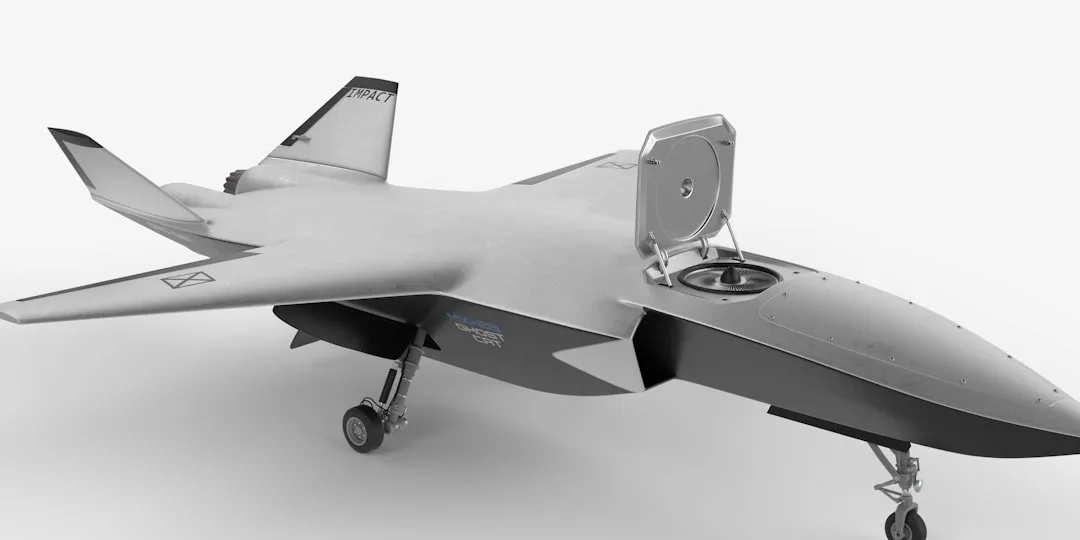
While the strategy points to a next-generation aircraft as the replacement option, some analysts argue that a drone fleet could also fulfill the role, particularly as unmanned systems like the U.S. MQ-4C Triton have demonstrated long-endurance surveillance capabilities. The decision will shape Australia's airborne surveillance capabilities for decades to come, ensuring continued regional security and interoperability with allied forces in an era of increasing strategic competition.
Report based on information from Australian Broadcasting Corporation.


