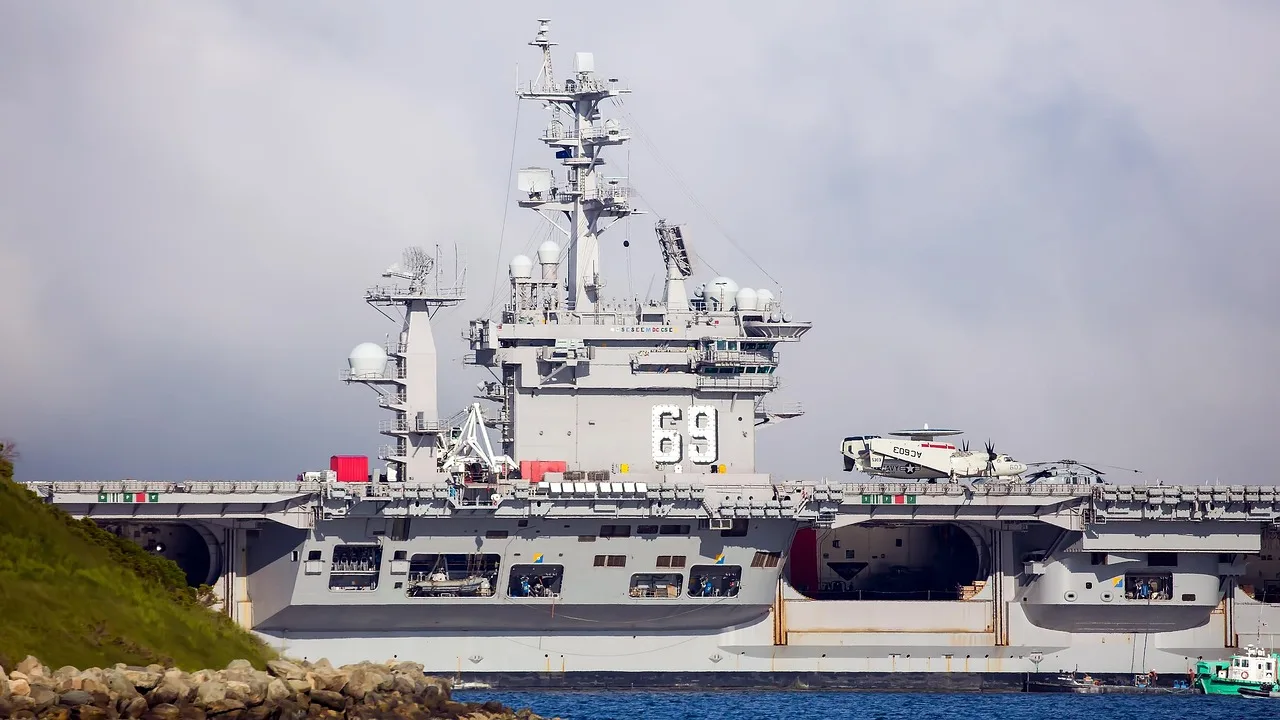
Escalation in the Persian Gulf
The Strait of Hormuz, a 21-mile-wide choke point through which roughly one-fifth of the world's oil supply passes, saw shipping traffic halt again after vessels came under fire mid-passage. This follows a tumultuous weekend where hopes for a fully opened Strait of Hormuz quickly unraveled, echoing disruptions last seen during the 1980s Tanker War between Iran and Iraq. On Friday, Iran declared the Strait of Hormuz fully open to commercial traffic, sending crude prices tumbling more than 10%. By Saturday, shipping traffic in the Gulf stalled once again, with vessels coming under fire and being forced to withdraw.
Diplomatic Efforts and Ceasefire Uncertainty
Much will hinge on whether the U.S. and Iran will meet for another round of talks in Pakistan later this week, as the ceasefire expires on Tuesday. Historically, Pakistan has served as a neutral venue for U.S.-Iran negotiations, including backchannel talks in 2013 that paved the way for the Iran nuclear deal. U.S. President Donald Trump said American and Iranian negotiators would resume talks in Islamabad on Monday, but Iranian Foreign Ministry spokesperson Esmaeil Baqaei said there was "no plan for a second round of negotiations with the U.S. for now," per Reuters. The two-week ceasefire is set to expire on Tuesday.
Trump called Iran's actions over the weekend a "total violation" of the truce and renewed threats to take further action if Tehran refuses a deal. On Sunday, the U.S. Navy fired on and seized an Iranian container ship in the Gulf of Oman.
Market Impact and Oil Prices
For markets, the weekend's events were a reminder of the fragility of the two-week ceasefire. Even if a deal is reached, it could take months to claw back the supply lost over recent weeks of closures, keeping oil prices elevated for longer. Disruptions of this scale have historically led to prolonged market volatility, such as during the 2019 attacks on Saudi oil facilities, which temporarily halved the kingdom's output. U.S. stock futures fell on Monday while crude oil prices surged as the U.S. and Iran teetered on the brink of a renewed conflict. West Texas Intermediate futures jumped more than 6% to $89 per barrel shortly after midnight on Monday, while the international benchmark Brent climbed 5.6% to $95.50 a barrel.
"We had the most violent day in the strait on Saturday that we've had since the beginning of this crisis, and things don't seem to be getting any better," said Rory Johnston, founder of Commodity Context. "The strait still isn't flowing, and 13 million barrels a day of production remains shut-in. We're losing it every single day this goes on," Johnston told CNBC's "Squawk Box Asia" on Monday.
As reported by CNBC.