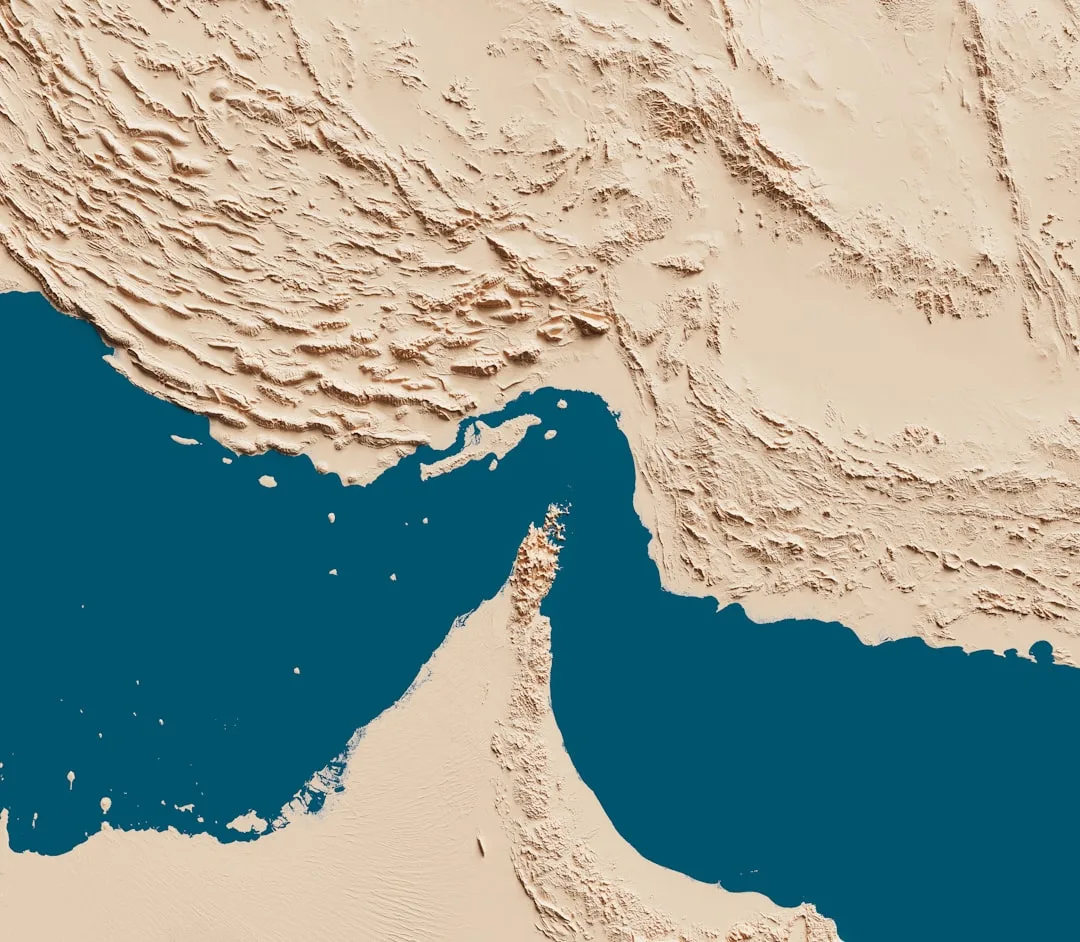
Market Response to Strait of Hormuz Reopening
The S&P 500 jumped 1.2% to close at 7,126.06, crossing a record threshold for the first time since its inception in 1957. The Dow Jones Industrial Average surged 868.71 points, or 1.79%, to end at 49,447.43, reflecting the strait's critical role as a chokepoint for about 20% of the world's oil supply. This market rally followed Iran's declaration that the Strait of Hormuz is "completely open" for commercial vessels after a ceasefire announcement between Israel and Lebanon.
Impact on Oil Prices and Stocks
Oil prices plummeted following Iran's announcement as supply disruption fears lessened, with U.S. West Texas Intermediate futures dropping almost 12%—the largest single-day decline since the 2020 oil price war between Saudi Arabia and Russia. International benchmark Brent crude futures declined 9%. Stocks in industries vulnerable to the strait's closure, such as cruise lines and airlines, rebounded. Shares of Boeing and Royal Caribbean advanced 2% and 7%, respectively, reversing weeks of volatility tied to regional tensions.
Geopolitical Context and Market Sentiment
Iranian Foreign Minister Seyed Abbas Araghchi stated that the passage for all commercial vessels through the Strait of Hormuz is "completely open" during the ceasefire period. The 21-mile-wide strait, bordered by Iran and Oman, has been a flashpoint since the 1980s Tanker War, when both Iran and Iraq targeted oil shipments. President Donald Trump confirmed the ceasefire between Israel and Lebanon, which took effect at 5 p.m. ET on Thursday. Trump also indicated that Iran had agreed not to close the strait again and that U.S. Navy blockades of Iranian ports would remain in place until a peace agreement is reached.
Uncertainties and Market Outlook
Despite the reopening, uncertainties remain. Iran's Tasnim news agency reported that ships linked to hostile nations may not be allowed through the strait, and it could close again if the U.S. blockade persists. Historically, disruptions in the strait—such as the 2019 attacks on oil tankers—have triggered global price spikes within days. Investors appear to be moving beyond worst-case scenarios, focusing on the potential for conflict resolution. Anthony Saglimbene, chief market strategist at Ameriprise Financial, noted that markets are discounting the likelihood of the strait remaining open as long as that path appears most probable.
Via CNBC.