Launch Details
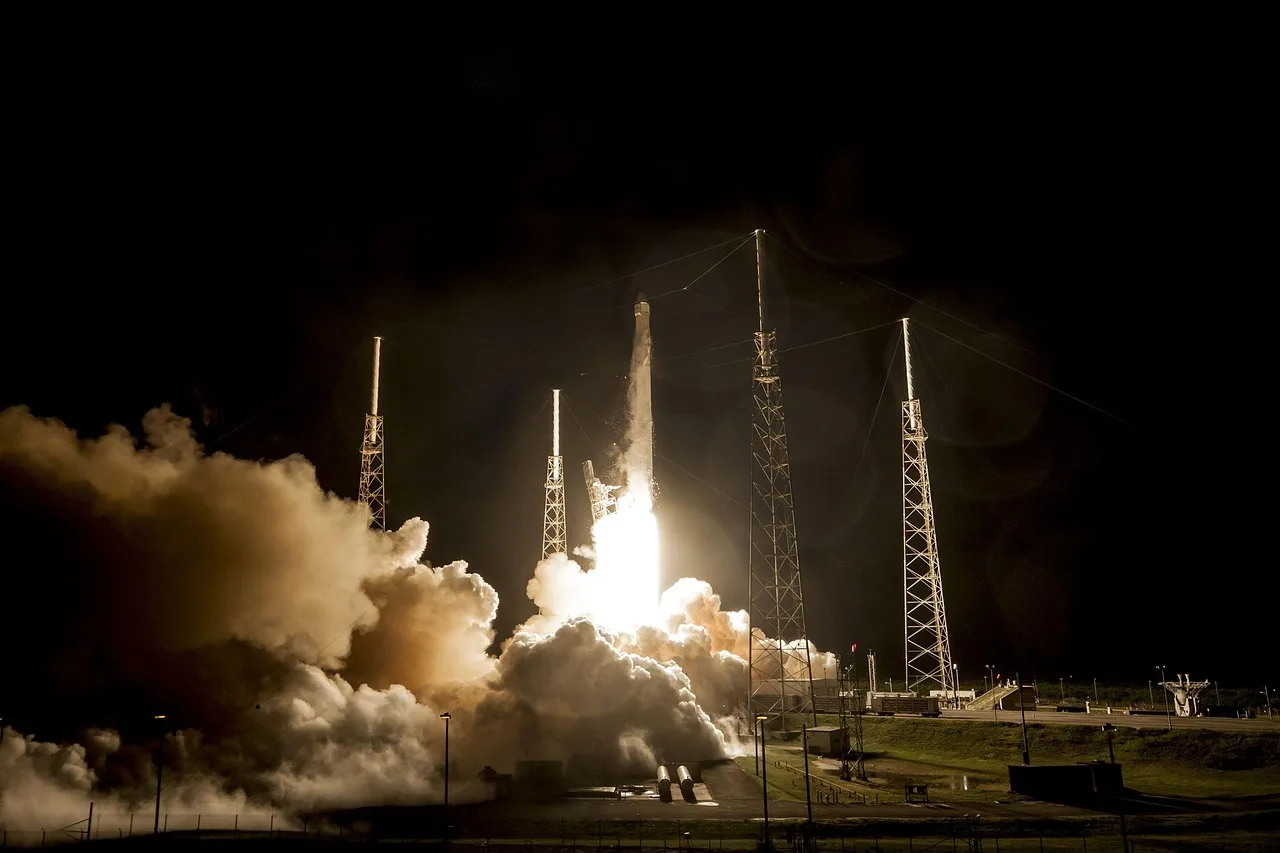
The U.S. Space Force launched its final Global Positioning System (GPS) III satellite into medium Earth orbit in the predawn hours of Tuesday aboard a SpaceX Falcon 9 rocket. Liftoff from pad 40 at Cape Canaveral Space Force Station occurred at 2:53:25 a.m. EDT (0653:25 UTC), a site historically pivotal for U.S. space missions since the Mercury program in the 1960s. The mission was delayed a day due to poor weather in the recovery zone for the first stage.
Satellite Capabilities
The satellite for the GPS III-8 mission is officially designated Space Vehicle 10 (SV10) satellite but is also named ‘Hedy Lamarr’ after the Austrian-American actress and inventor whose frequency-hopping research during World War II laid the groundwork for modern technologies like GPS satellites, WiFi, and Bluetooth. This launch completes the GPS III constellation, which offers three times greater accuracy and up to eight times improved anti-jamming capabilities compared to earlier GPS generations.
“Today marks an important milestone for our unit and for the entire GPS enterprise. As we prepare to launch the final satellite in the GPS III block, we’re closing out a chapter that has defined the last several years of work for this team,” said USSF Col. Stephen Hobbs, the Mission Delta 31 (MD 31) commander within Combat Forces Command. “Closing out the GPS III block is not the end of the story, but rather it’s a foundation for what comes next. We’re excited to turn the page and continue advancing our mission with the GPS IIIF generation, bringing even greater capability to the joint force and to the global users who rely on this system every single day.”
Launch Vehicle and Recovery
SpaceX launched the mission using the Falcon 9 first stage booster B1095, which flew for the seventh time after launching six batches of SpaceX’s Starlink satellites. The GPS III SV10 satellite was encapsulated in two halves of the payload fairing, one of which flew for a second time and the other for a third time. One of the pair was used on the GPS III-9 mission back in January, reflecting SpaceX’s industry-leading reusability efforts that have reduced launch costs by over 60% since the Falcon 9’s debut in 2010.
“So that was a huge benefit for us and for the Space Force team to take advantage of that from a mission assurance perspective,” said Anne Mason, SpaceX’s director of its National Security Space Launch (NSSL) division.
A little more than 8.5 minutes after liftoff, B1095 landed on the drone ship, ‘Just Read the Instructions.’ Both halves of the payload fairing were also to be recovered after splashing down a little further downrange than the booster. The drone ship will be devoted to supporting the Starship program, SpaceX said.
The mission also represented the fourth time that SpaceX carried to orbit a GPS satellite that was originally assigned to United Launch Alliance as part of the NSSL Phase 2 contract with the U.S. Space Force. Previous GPS satellites were moved from ULA’s Vulcan rocket to SpaceX’s Falcon 9 because of development delays with that rocket. Vulcan didn’t receive certification to fly NSSL payloads until the spring of 2025, marking a shift in the competitive landscape for U.S. national security launches.
Via Spaceflight Now.


